
Delivery is not one action. It is a chain that can include export packing, collection, freight, customs handling, destination delivery, unloading, movement through the building, placement, assembly, installation, adjustment and handover. A whole-home furniture quotation should name the exact handover point and the party responsible after every change of custody.
GEORGE Group can discuss service from design through on-site installation, and on-site installation is charged separately. Availability, travel, local labour and the exact task depend on the destination and project. Global enquiries are accepted, but the same delivery or installation route is not automatically available everywhere.
Turn the delivery route into a responsibility schedule
| Stage | Decision to record | Evidence or handover record |
|---|---|---|
| Release from production | Which approved item list, drawings and samples control the finished furniture, and who may release it for packing | Approved schedule, agreed photos or inspection record, and closed difference list |
| Packing | Protection method, package breakdown, hardware and assembly packs, room/item labels | Final packing list and package identification |
| Export and freight | Named place, shipping term, booking, insurance if agreed, export/import documents and responsible parties | Quotation or contract terms and shipment documents |
| Destination receipt | Vehicle access, unloading, storage, package count and condition-report method | Delivery receipt, timestamped photographs and exception record |
| Building movement | Entrance, lift, stairs, landings, protection, booking times, lifting or local labour | Access survey and approved move-in plan |
| Placement or installation | Who unpacks, assembles, places, anchors, connects, adjusts and removes packing material | Installation scope, site-readiness record and completion list |
| Handover and after-sales | Care information, open items, damage or missing-part claims, warranty document and contact channel | Signed handover or punch list with supporting evidence |
The quality and pre-shipment checks page covers the finished-furniture decision before packing. This page begins when the approved items move into packing and continues through destination handover.
Match packing and labels to the room schedule
Packing should respond to the actual furniture, finish, route and handling method. Large pieces may need separate components, protected corners or faces, moisture precautions, hardware packs and assembly instructions. A general packing photograph does not prove that every product receives the same crate or protection.
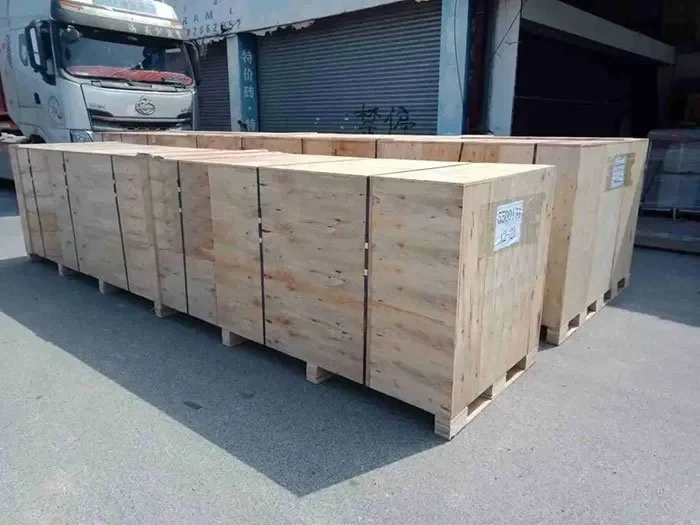
Give every package an item reference that links to the current room-and-item schedule. When furniture is split into several packages, identify the main item, loose parts, hardware, assembly information and total package count. Record which surfaces must remain protected until placement is complete and who removes and disposes of packing material.
Describe the destination before choosing a delivery term
Provide the country, city or region, full site type, road or vehicle limits, unloading point, storage conditions, entrance, lift, stairs, landings and route to each room. Identify local rules, booking periods and whether the building requires protection or supervision. For a high-rise or difficult site, state who arranges lifting, local labour, permits and temporary storage.
Use the measuring fit and access checklist to compare the packed or component dimensions with the real route. Product dimensions alone do not show whether packaging clears a lift door, whether a turn can be made on a landing or whether the item must be assembled inside the room.
For home projects, DDP may be available as a business reference, subject to the actual destination, product mix, shipment and project quotation. The quoted trade or delivery term must define the named place and the treatment of freight, duties, taxes, customs, unloading and final movement. Do not rely on the abbreviation alone or assume it includes moving furniture to a particular room.
Plan receipt before the vehicle arrives
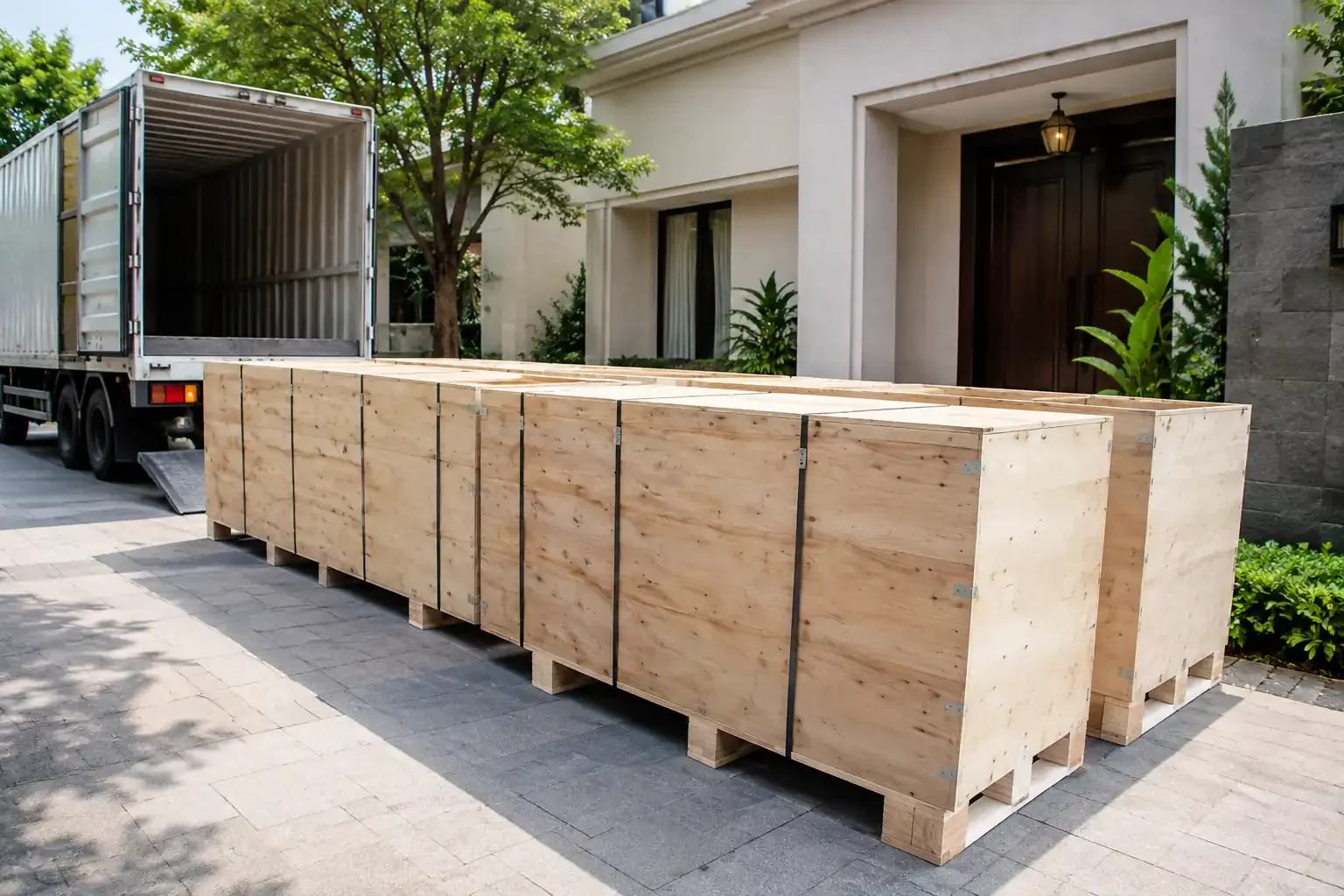
The receiving party should have the final packing list, an area for count and condition checks, and a way to isolate any damaged package without losing labels. Agree when external packaging is inspected, when furniture is unpacked, which photographs or notes are required and how quickly an exception must be reported under the project documents.
- Record the arrival date, vehicle or shipment reference and receiving person.
- Count packages against the controlled packing list before dispersing them through the home.
- Photograph all sides of a visibly affected package before opening when safe to do so.
- Keep the item code, package label and affected area together in the record.
- Do not discard packaging or attempt an unapproved repair where the project claim procedure requires evidence.
- Separate freight damage, missing parts, installation damage and a product issue; they may have different responsible parties.
The actual notice period, claim route, insurance position and remedy come from the shipment and project documents. This checklist does not replace them.
Keep placement, assembly and site installation distinct
Placement means moving an assembled item to its planned position. Assembly joins product components. Installation may include anchoring, wall fixing, alignment with a fixed interior or another agreed site task. Electrical connection, plumbing, structural work and alteration of fixed joinery are separate responsibilities unless the project documents explicitly include a qualified party and exact scope.
GEORGE Group can discuss on-site installation, but the quotation should state the destination, travel and labour basis, furniture included, tools and equipment, local support, work hours, site protection, waste removal and completion criteria. Confirm who verifies the wall or floor condition and who approves any anchoring method. A furniture installer should not be expected to resolve an unrecorded structural, electrical or building-access problem on arrival.
Site readiness should be checked against the approved plan
- rooms are secure, dry, sufficiently complete and available in the agreed sequence;
- floors, walls, doors, lifts, lighting and fixed interiors are finished to the dimensions used for planning;
- access routes and work areas are clear, protected and permitted for the planned team and equipment;
- power, lighting or other services required for agreed furniture functions are complete and tested by the responsible trades;
- the owner, designer or site representative can answer placement questions and approve documented changes; and
- secure storage exists for furniture that cannot immediately enter its final room.
Close the project with a room-by-room handover
After placement or installation, compare the room schedule with the furniture present. Record visible condition, agreed assembly or anchoring, movement of doors or drawers where applicable, loose accessories, care information and any open item. Photograph unresolved points and assign each one an owner, next action and due date rather than relying on a general statement that installation is complete.
The current business input includes a five-year warranty reference. The applicable products, start date, exclusions, remedy, maintenance requirements and claim evidence must be stated in the project’s warranty document. Delivery completion, installation completion and warranty acceptance are separate records and should not be assumed to occur automatically at the same time.
Hand over care information and a route for post-delivery issues
Care information should be matched to the actual item, material or finish rather than left as one generic instruction. At handover, record which document applies to each item code, who receives it and any project-specific maintenance condition stated in the approved product or warranty documents. Keep those records with the room-and-item schedule so later questions can be traced to the correct furniture and finish.
Separate the issue before assigning responsibility
- Arrival condition or missing package: keep the package label, packing list, delivery receipt and photographs taken at receipt so the shipment and handover records can be checked.
- Assembly or installation point: identify the room, item code, completed task, installer or responsible party, site condition and the relevant installation or punch-list record.
- Issue noticed during later use: provide the item code, date first observed, clear photographs or video, a description of the symptom, the way the item was being used and the care already carried out.
- Site or environmental condition: record any relevant wall, floor, power, moisture, temperature, movement or third-party work instead of assuming the furniture alone caused the problem.
Send the record through the contact channel named in the project documents. Freight, local receiving, installation, product and site issues may belong to different parties, so the first report should preserve evidence rather than promise a cause or remedy. Reporting periods, response times, warranty coverage and corrective actions are those stated in the applicable shipment, quotation and warranty documents; this page does not create a new promise.
Maintain one follow-up record with the report date, room and item code, evidence received, any interim protection, the party assigned to review it, the next agreed action and the current status. Keep an item open until the responsible parties record the outcome and the authorized project representative accepts or notes the result.
Prepare the delivery and installation brief
- destination and exact requested handover point;
- room-by-room item schedule, package references and required sequence;
- vehicle, unloading, entrance, lift, stair and turning constraints;
- site readiness date, storage availability, building booking rules and local labour;
- placement, assembly, anchoring or installation tasks requested;
- owner, designer, contractor, freight, customs and local receiving responsibilities;
- condition reporting, claim evidence and authorized communication contacts; and
- handover, open-item and warranty records expected at completion.
Include this information in the project brief and make sure the quotation carries the same boundary.
Review delivery and installation responsibilities for your whole-home project