
Material selection is more than choosing a colour from an image. Wood, stone, metal, leather and textile surfaces respond differently to light, touch, cleaning and daily use. A useful review connects the actual proposed material or finish to a named furniture item, room and approved sample. GEORGE Group reference images on this page show the decisions to compare; they do not establish that every pictured material is available for every piece.
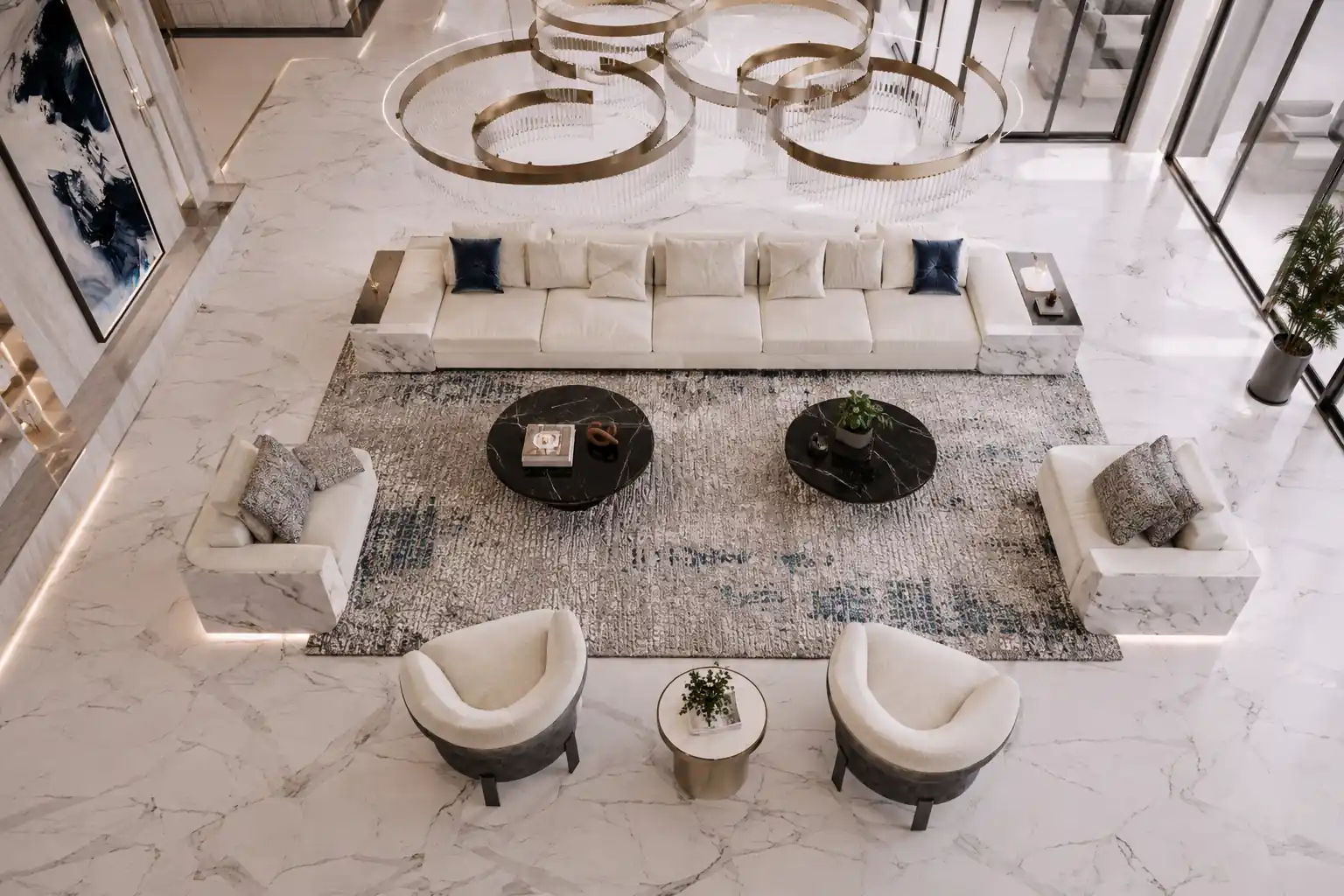
Start with use and room conditions
For each item, record who uses it, how often it is touched, what may be placed on it, how it will be cleaned and what light, moisture or other conditions it faces. A finish that works on a low-use display piece may be a poor direction for an everyday dining top. Outdoor exposure is a separate specification and should not be inferred from an indoor material name.
| Material family | Visual and tactile review | Project evidence to request |
|---|---|---|
| Wood or veneer | Species direction, grain, tone, sheen, edge and variation | Actual sample or finish reference, construction location and care guidance |
| Stone or stone-like surface | Pattern, colour range, edge, joint and visual weight | Exact proposed surface, thickness or support interface, sample and care limits |
| Metal | Colour, reflectivity, texture, joint and contact with other finishes | Finish reference, component location and any required use or destination evidence |
| Leather or textile | Colour, hand, weave or grain, nap, seam and piping | Actual swatch, proposed application, cleaning information and performance evidence where required |
Review material and form together
A table surface is judged with its edge, base and daily use. A cabinet finish is judged across doors, seams, handles and the wall behind it. A fabric is judged on the full seat, including curves, seams and how light changes the pile or texture. Do not approve a material name without identifying where it appears on the piece.
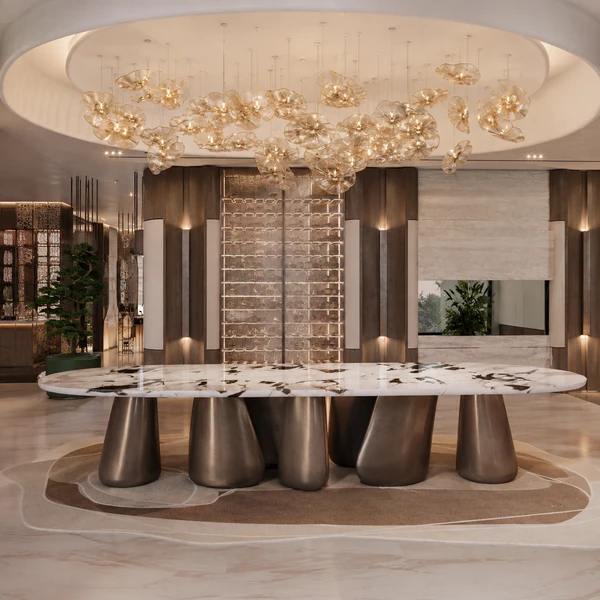
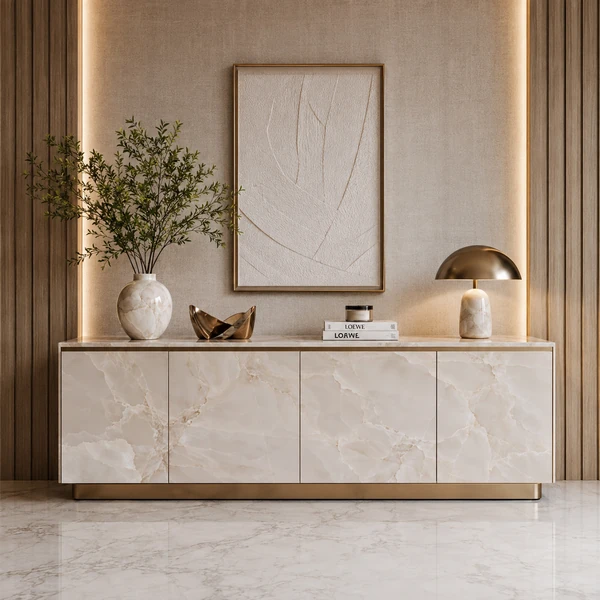
Natural and manufactured materials may show variation. Ask how the proposed sample relates to the final item, what range of variation may remain and which characteristic the sample controls. Do not treat one photograph as a guaranteed colour standard.
Build a sample schedule, not a loose sample box
Give every sample a reference and connect it to the rooms and furniture items it controls. Record the date, supplier or project source, intended material or finish, what was reviewed and the approval status. If the same description appears on several items, confirm whether one sample genuinely controls all of them.
- Review the sample in daylight and the home’s expected artificial light where practical.
- Place related samples together to check undertones and transitions.
- Compare the sample with the proposed item drawing or image so its location is clear.
- Record comments and changes against the current revision.
- Keep the final approved reference identifiable through production and pre-shipment review.
Treat upholstery appearance and seating comfort as different approvals
An upholstery swatch can show colour, texture and hand. It cannot establish the finished seat’s depth, cushion support, back angle or internal construction. Those questions belong in the comfort review and final furniture specification.
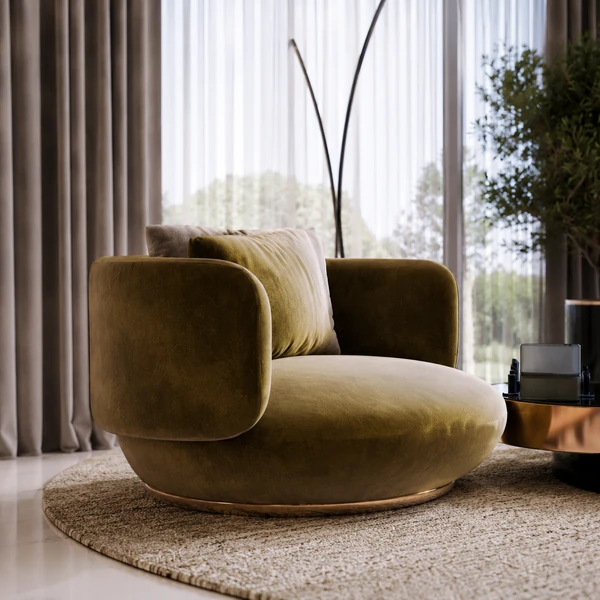
Compare upholstery and seating comfort for sofas and chairs.
Ask for performance claims to match the exact proposal
If the home requires a cleaning, abrasion, stain, colourfastness, fire, emissions, outdoor or other performance property, state the required use and destination. Ask what document applies to the actual material, product and configuration. A generic certificate, a different colourway or a material name alone should not be extended to the final item without a traceable match.
GEORGE Group can provide a light group-level indication that certificates and test materials exist, but the product and destination documents relevant to a project are confirmed after the proposed furniture and materials are known.
What to include in a material brief
- room, furniture item and the surface or component being discussed;
- desired appearance, touch and relationship to other rooms or finishes;
- daily use, likely contact, cleaning and maintenance preference;
- light, moisture, heat, outdoor or other local condition that matters;
- sample format and approval person;
- any required evidence for use or destination; and
- unknowns that must be resolved before approval.
Discuss materials, finishes and samples for your whole-home furniture project. Attach the room and item schedule and label the surfaces you want to compare.